SHARES

A few days back, we shared an article on our site about Binge Eating and today. After reading through the comments of a quick and rough survey on the eating habits of stay-at-home mommies online we thought you must read this!
A lot of people miss a healthy breakfast to start the day, especially the women! They face the danger of getting acid reflux disorders.
Typical scenario: The wives/mothers wake up early in the morning, cook breakfast, and then lunch to pack for their husband/kids and also cook for the rest of the family members. For example, the lady of the house wakes up at, say 6 am, she prepares coffee, breakfast for the family. Coffee/Milk/Tea is the only thing she consumes from the time she wakes up till she sends off the kids and the husband to school/work. The next meal – breakfast is consumed after about 2 hrs (minimum) or skipped most of the time. So when breakfast is skipped, only lunch is consumed. Moreover, by the time it is consumed, it could probably be very late.
Well, this is the case of mommies who are at home but still aren’t able to eat the most important meal of the day, on time. How about office goers – their case is even more pathetic. For single people, bachelors, students studying abroad – skipping meals/breakfast has become commonplace. Making this a habit will only be an invitation to several diseases and conditions. One such is acid reflux disorder, GERD (Gastroesophageal Reflux Disease) and gastritis.
What has GERD and gastritis got to do with skipping or having a late breakfast?
GERD – gastroesophageal reflux can be explained in layman’s terms as the return of the stomach’s (gastro) contents back up into the oesophagus. In normal digestion, the lower oesophageal sphincter (the lower muscle on the opening of the oesophagus) (LES) opens to allow food to pass into the stomach and closes to prevent food and acidic stomach juices from flowing back into the oesophagus. Gastro-oesophageal reflux occurs when the LES is weak or relaxes inappropriately, allowing the stomach’s contents to flow up into the oesophagus.
Heartburn, also called acid reflux indigestion, is the most common symptom of GERD and usually feels like a burning chest pain beginning behind the breastbone and moving upward to the neck and throat. A lot of people have described this feeling like as if food is coming back into the mouth leaving an acid or bitter taste.
Apart from GERD, gastritis, here is a list of conditions you can expect to suffer from:
- Stinky breath
- Reduced brain functioning, intelligence
- Gas, bloating and indigestion
- Stomach ulcer, pain in the stomach and at times diarrhoea
- Anxiety and Depression
- Fatigue
- Nausea/giddiness
- Headache
- Blood Pressure complaints
- Disturbed sugar levels
- Disturbed Weight Management/Obesity
How can you manage acid reflux or GERD?
- A lifestyle, as well as, dietary change is recommended for people needing treatment for GERD.
- Eating foods that will not trigger acid refluxes can help
- Eating meals on time, sleeping on time can also help fight this condition.
GERD Friendly Healthy Breakfast
For a GERD friendly diet, a safe breakfast menu include oats, vegetables, non acidic citrus fruits such as papaya, banana, melons, apples, avocados and pears, lean meat (turkey, chicken, fish) & egg white (without the yolk which has fat) and skim milk.
Avoid fried food, high-fat meat like bacon, sausage, and whole-milk dairy products. Do not take coffee, orange juice, and doughnuts, these will be problematic to your acid reflux.
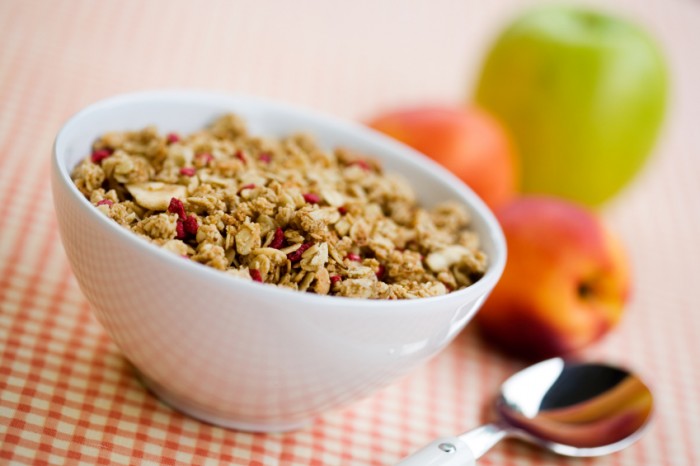
Wondering how to get yourself to have a GERD friendly and healthy breakfast? Read here about it.
Do make it a point not to delay eating or skipping any meal especially a healthy breakfast – your health is important, not only for you but your near and dear ones as well.

Sources:
Tags

by Hridya
A biochemist by education who could never put what she studied to good use, finally found GetDoc as a medium to do what she loved - bring information to people using a forum that is dedicated to all things medical. View all articles by Hridya.